
Happy Fishing | Fishing Game Guide
Happy Fishing is a fishing game built around aiming, choosing a shot value, and observing the result of each play. Before entering, review the on-screen rules and set a firm time and spending limit; no aiming method can guarantee a catch or a return.
More fishing titles to compare

What the Happy Fishing screen tells you
In brief: the game is best approached as a sequence of visible choices: inspect the play area, understand the shot control, choose an affordable value, then check the result before acting again. Happy Fishing Demo, if available in your version, can help you learn controls, but it cannot predict paid-play outcomes.
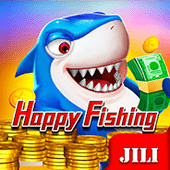
The supplied game artwork identifies Happy Fishing as a fishing-themed title. In the game screen, look for the target area, the selected weapon or shot level, remaining balance, and any rule or help control. Treat displayed animations as presentation rather than evidence that a particular target is due to be caught.
Fishing games can involve changing targets and shot costs. A higher-cost shot may consume a balance more quickly, and no target choice guarantees a result. If the game lists special targets, multipliers, or bonus rules, read those definitions in its own help panel instead of inferring them from an icon.
The local image above is the game's supplied icon, not a fabricated screenshot or a claim about a specific round. For a clear assessment, compare the actual live interface with the published rules after opening the title. If labels are too small on a phone, pause and adjust display settings before choosing a shot.
Happy Fishing through one round, step by step
Short answer: read the rules, set your limit, select an affordable shot, aim and fire once, then review the result and balance. The exact controls can differ by version, so use the game's own instructions as the authority.
- Prepare: open the rules or pay information and identify how shot values, firing, and any special targets work. Do not proceed while a cost or control remains unclear.
- Set a boundary: decide beforehand how much time and entertainment spending you can afford. Keep essential expenses separate; do not borrow or increase stakes to recover losses.
- Choose carefully: check the current shot value and the displayed balance before aiming. Start at a level that fits the limit you set, not one chosen because a target looks valuable.
- Make one input: aim using the available control and fire once. Wait for the animation and result to finish rather than tapping repeatedly, especially if the connection feels slow.
- Review: confirm the result and balance before deciding whether to continue. A miss or catch does not determine what the next attempt will do.
- Close the session: stop when the time or spending boundary is reached. Take a break and check any transaction history if a round was interrupted.
If a button does not respond or the balance appears inconsistent, avoid submitting another shot immediately. Recheck the connection and round status first; contact the platform's support channel if the displayed record still seems wrong.
Practical Happy Fishing habits, without promises
Bottom line: no strategy can ensure a win in Happy Fishing. A measured shot size, attention to cost, and a clear stopping rule help keep the session understandable and within your chosen budget.
Treat each shot as a new cost decision
Before firing, check how much the selected shot consumes and how many attempts your limit could cover. Do not keep firing because a target has stayed on screen or because earlier shots missed. Previous results do not make a catch due.
Use a demo only to learn navigation
Happy Fishing Demo may be useful for recognizing buttons or reading a rule panel if a practice option is offered. Demo results use no reliable promise about cash play, and availability may vary. A demo is not a way to forecast return or income.
Keep time and budget visible
Choose a fixed session length and a small entertainment budget before starting. On viph mobile, make sure the balance and shot control remain readable at your screen size. If you find yourself chasing losses, stop rather than increasing shot value.
Pause when attention slips
Fatigue, frustration, and hurried tapping make it harder to track costs. Take a break, and never treat a fishing game as a source of dependable income. If it becomes difficult to stop, step away and seek support from someone you trust.
A straightforward way to approach Happy Fishing
Start with the controls, not the wager: open the title, read its current instructions, identify the shot cost, and only then decide whether to continue. You can leave at any stage if the rules or spending do not feel comfortable.
1. Check access and game information
Use the platform's available route and confirm that the displayed title is Happy Fishing. If using an app, install it only through a trusted, official source and review requested permissions; do not follow unsolicited download files.
2. Read the rule panel
Find how aiming, firing, target values, and any special effects are described. Make sure you can see your current balance and selected shot level before playing.
3. Set limits and test the interface
Decide a stop time and a maximum spend. If a demo mode appears, use it only to become familiar with the controls, not to estimate likely paid results.
4. Review each attempt
Make one shot, wait for the game to settle, and check the record. Continue only if you remain within your limits and understand what the screen reports.
A suitable next step depends on what you want to compare. If you are browsing a wider selection, view the Viph Games categories and compare controls before choosing a title.
Choosing a next step after Happy Fishing
For a careful comparison: consider the play style you prefer, the rules you can understand, and whether the cost fits your limit. Happy Fishing is a fishing game; it is distinct from a themed slot or a bonus offer, even when all are available through the same platform.
If you would like to compare a different theme and its own rules, read the Golden Genie game overview. Do not assume that its mechanics, pace, or outcomes match this fishing title.
For a high-level look at the platform's access and navigation, the Viph Games directory separates titles by category. Use the category as a starting point, then read each game's instructions before you decide. If you want a different tile-based theme, compare the Mahjong Ways 2 overview and review its own rules rather than assuming the same play flow.
For general platform rewards information rather than fishing controls, the Viph bonus guide explains where to review offer terms. Check eligibility, expiry, and wagering conditions before opting in; a promotion should never be treated as guaranteed profit.
A sensible final check is simple: Are the rules clear? Is the selected shot affordable? Have you set a time boundary? Can you stop without trying to recover a loss? If any answer is no, close the game and return another time.
Decide whether Happy Fishing fits your session
Use this quick check: Happy Fishing may suit someone seeking a fishing-style interface and willing to follow a pre-set entertainment limit. It is not appropriate as an income plan or when the player cannot comfortably afford the possible loss.
Know the rules
You can explain the shot cost and basic controls before making a choice.
Protect your budget
Your planned spend is separate from bills, savings, and borrowed funds.
Keep a time limit
You have a stop point and are prepared to leave when it arrives.
Choose freely
You can pause or exit without pressure to chase an outcome.
If those checks are comfortable, review the live rules one more time before entering. If not, use the site's information pages or simply take a break. Play only where lawful, and only if you meet the applicable age requirement.